Wisdom teeth are a bit of an evolutionary leftover. Our ancient ancestors needed those extra molars to grind down tough, uncooked foods, but modern diets and smaller jaw sizes have made them largely unnecessary — and often problematic.
Most people develop four wisdom teeth, typically between the ages of 17 and 25. For some lucky individuals, they come in normally and cause no issues. For many others, however, wisdom teeth become impacted, partially erupted, or create crowding and hygiene problems that make removal the wisest course of action.
Signs Your Wisdom Teeth May Need Attention
Not all wisdom teeth announce themselves with pain. Some of the signs that your wisdom teeth may be causing problems include aching or stiffness in the jaw, pain or tenderness at the back of the mouth, swollen or red gums behind your last molars, difficulty opening your mouth fully, or an unpleasant taste or bad breath that doesn't improve with regular hygiene.
In many cases, wisdom teeth issues are detected during routine X-rays before symptoms ever develop. This is one of the many reasons regular dental check-ups matter.
Why Removal Is Often Recommended
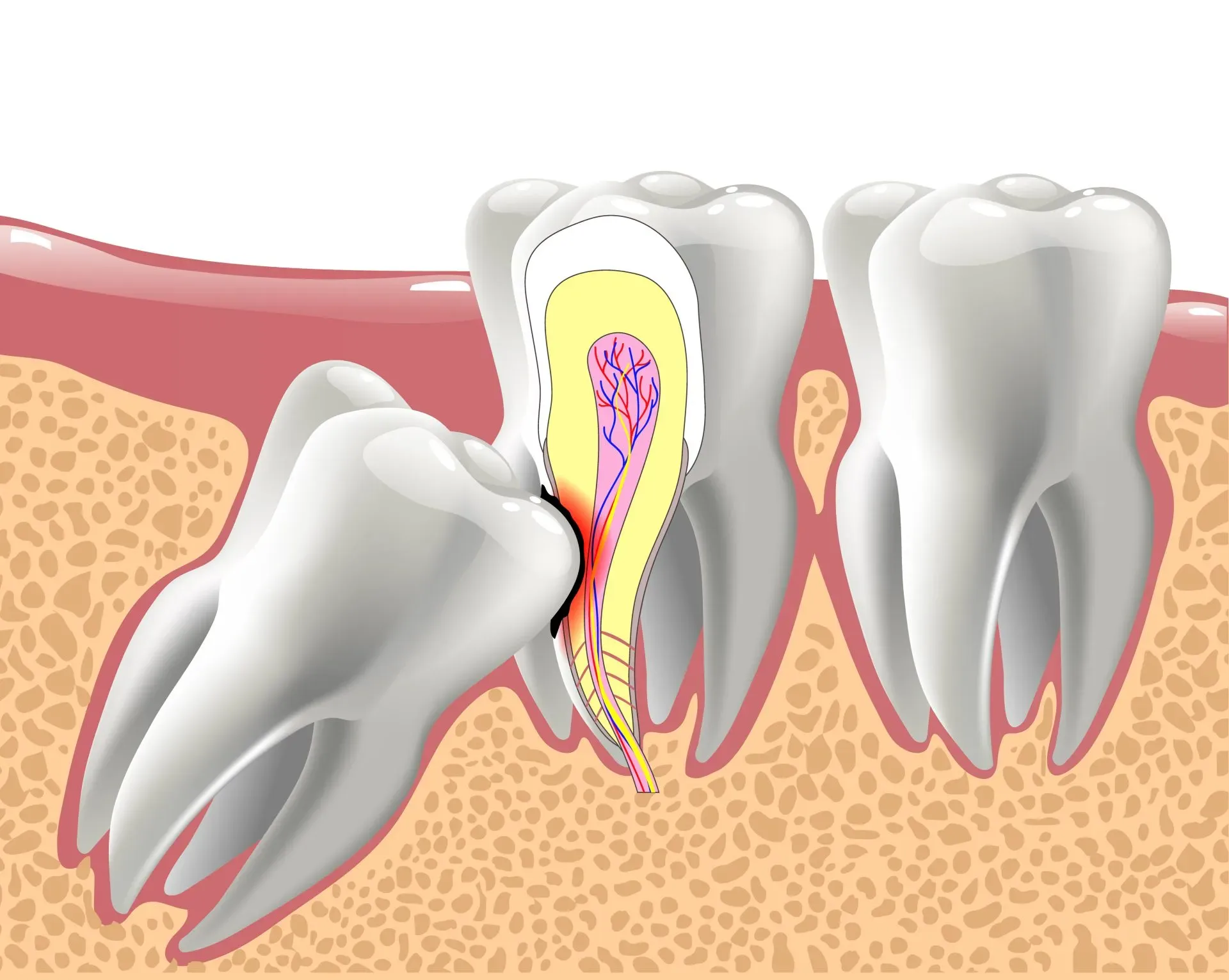
Impacted wisdom teeth — those that don't have enough room to emerge fully — can create a host of problems. They can push against neighbouring teeth, causing crowding and misalignment. Partially erupted wisdom teeth are notoriously difficult to clean, making them magnets for decay and gum infection.
In some cases, cysts can develop around impacted wisdom teeth, potentially damaging the jawbone and surrounding structures. Removing problematic wisdom teeth prevents these complications and protects the health of your existing teeth.
The Removal Process
At Kanata Family Dentistry, wisdom tooth extraction is a procedure we perform regularly and with care. Simple extractions — where the tooth has fully erupted — are straightforward. Surgical extractions for impacted teeth require a small incision in the gum tissue and, sometimes, removal of a small amount of bone.
The procedure is performed under local anesthesia, and sedation options are available for patients who are anxious or for more complex cases. Most patients are surprised by how smooth the process is.
Recovery Tips
Recovery from wisdom tooth removal typically takes about a week. During the first 48 hours, some swelling, mild bruising, and discomfort are normal. Cold compresses, prescribed or over-the-counter pain medication, and a soft food diet will be your best friends.
Avoid using straws, smoking, or vigorous rinsing for the first few days to prevent dry socket — a painful condition that occurs when the blood clot at the extraction site is dislodged.
We provide detailed aftercare instructions and are always available to answer questions during your recovery.
Timing Matters
If wisdom teeth removal is recommended, earlier is generally better than later. Younger patients tend to have fewer complications and faster recovery times because the roots are less developed and the bone is less dense.
If you're wondering about the status of your wisdom teeth, or if your teenager is approaching the age when they typically develop, schedule an appointment at
Kanata Family Dentistry. We'll take a look and give you honest, straightforward guidance.