Why Do You Have Stained and Discolored Teeth?
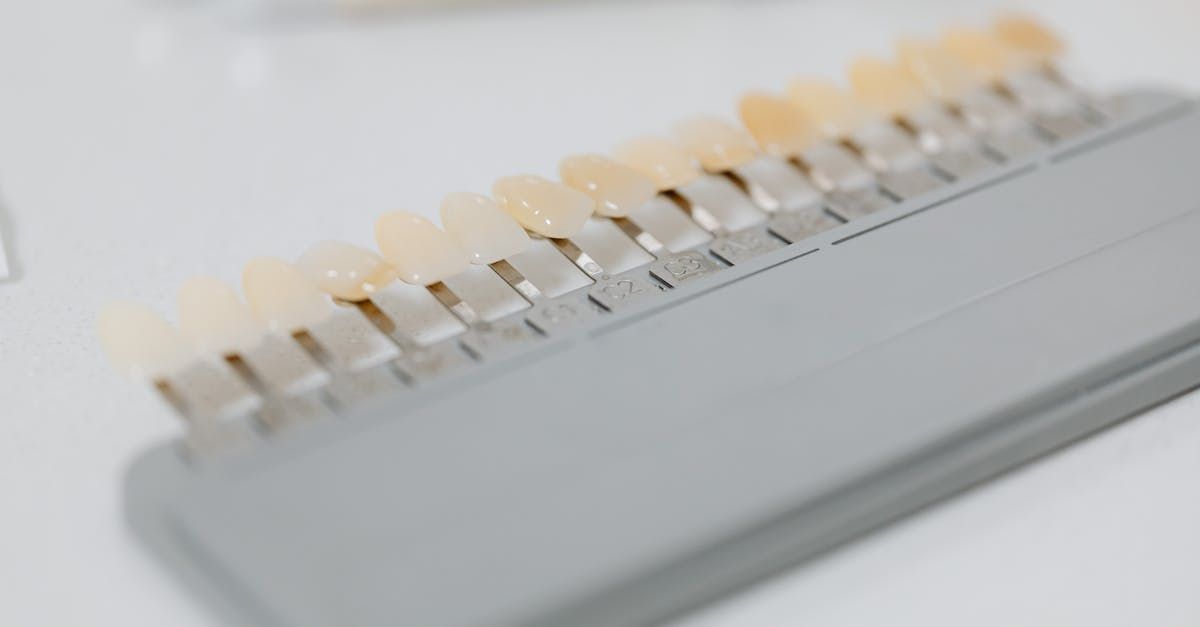
How you feel about your teeth impacts how often you smile. If you feel embarrassed about stains on your teeth, you might find yourself smiling less frequently. The way our patients' feel about their smiles matters greatly to us. A common issue we often address at our dental practice is tooth discoloration, which can range from subtle yellowing to pronounced shades of brown or gray, all of which impact your confidence and willingness to smile. Our experience dental team will speak with you during your consultation to see which treatment option may be right for you.
Stained teeth refer to teeth that have changed in color from their natural shade, due to various external or internal factors. This discoloration can manifest as yellow, brown, or gray. Stains can occur on the surface of the tooth (extrinsic stains) or within the tooth structure itself (intrinsic stains).
Extrinsic Stains
- Surface Stains | These are caused by external factors that often affect the outer layer of the tooth (enamel). Common causes include the consumption of pigmented foods and drinks such as coffee, tea, red wine, berries, tomato-based sauces, and certain spices. Smoking or using tobacco products can also lead to extrinsic stains due to tar and nicotine.
- Poor Oral Hygiene | Inadequate flossing and brushing can result in the accumulation of plaque on your teeth. Plaque, when not removed regularly, can harden into tartar, which can cause surface discoloration that contributes to staining.
Intrinsic Stains
- Medication | Some medications, particularly certain antibiotics such as tetracycline, when taken during childhood, can cause intrinsic stains. These stains occur within the tooth's structure, making the stains more challenging to remove through regular cleaning.
- Trauma or Injury | Physical trauma to a tooth, such as a fall or impact, can cause intrinsic discoloration. This is because the tooth may react to the injury by laying down more dentin (the inner layer of the tooth beneath the enamel), which can darken the color of the tooth.
- Aging | Over time, the enamel of our teeth can wear away, revealing more of the yellowish dentin underneath. This natural process makes teeth appear more stained or discolored as we age.
Treatments Available For Toothaches and Sensitive Teeth
The treatment for toothaches and sensitive teeth depends on the underlying cause and may include dental fillings for cavities, root canal therapy for infections, or periodontal treatments for gum disease. Before these issues have a chance to develop, we recommend our patients to take proper precaution to ensure their oral health remains intact. Using specialized toothpaste containing compounds such as potassium nitrate or fluoride can help reduce sensitivity over time. Additionally, in-office fluoride treatments may strengthen enamel and decrease tooth sensitivity. Adopting good oral hygiene practices, such as using a soft-bristled toothbrush and avoiding acidic or sugary foods, can help prevent enamel erosion and subsequent sensitivity. For patients who suffer from bruxism, wearing a custom mouth guard while sleeping can protect teeth from grinding and alleviate associated pain.
Toothaches and sensitive teeth can significantly impact your quality of life. Seeking professional dental care, maintaining good oral hygiene habits, and addressing underlying issues promptly are crucial steps in managing and preventing these conditions. Regular dental check-ups and early intervention can prevent minor issues from escalating into something more severe. If your teeth are overly sensitive, or if you are experiencing a sharp pain in your tooth, you should contact our office as soon as possible. We offer same-day appointments for dental emergencies.
Hi! Welcome to Kanata Family Dentistry clinic. Tell me, are you an existing patient of our practice?
Kanata Family Dentistry
How can we get you smiling today?
We are the Kanata dentist near you!
A smile without teeth is just a grin
Request A Dental Appointment
We look forward to seeing you soon! Please note, we will do our best to accommodate your schedule. You can reach us on (613) 592-0615 or complete the form below.
We ask that you arrive to your appointment 15-minutes early.
Kanata Contact Form
We will get back to you as soon as possible.
Please try again later.