
How to Prevent Cavities: 5 Expert Tips (2026 Guide)

March 18, 2026

Share this article

To prevent cavities, you must consistently remove dental plaque through twice-daily brushing with fluoride toothpaste and daily flossing. Additionally, reducing sugary snacks, staying hydrated with fluoridated water, and attending professional dental cleanings twice a year ensures early detection and protection against the acid-producing bacteria that cause tooth decay.

At Kanata Family Dentistry , our commitment is to provide personalized oral health care tailored for your unique dental needs. Understanding how to manage your daily routine is the first step toward a lifetime of healthy smiles in Ottawa. While many people think of cavities as an inevitable part of aging, they are almost entirely preventable with the right combination of at-home care and professional intervention.

What are the main causes of tooth decay?

Tooth decay, which leads to the formation of cavities, is a multifaceted biological process driven by the interaction of oral bacteria and the foods we consume. Inside every mouth exists a complex ecosystem of microorganisms known as the oral microbiome. While many of these bacteria are beneficial, others are specifically adapted to thrive on fermentable carbohydrates, such as sugars and starches found in our modern diets.

When you consume sugary foods or drinks, these specific bacteria—most notably Streptococcus mutans —process the sugars and produce lactic acid as a byproduct. This acid lowers the pH level in your mouth, creating an environment that dissolves the minerals in your tooth enamel, a process known as demineralization. If this happens frequently without adequate time for the mouth to recover, the enamel eventually weakens to the point where a hole, or cavity, forms.

Several factors can accelerate this process:

  • Frequent snacking on sugary or acidic foods.
  • Inadequate saliva production (dry mouth).
  • Poor oral hygiene habits that allow plaque to accumulate.
  • A lack of systemic or topical fluoride.
  • Genetic factors affecting the strength of tooth enamel.

Understanding these causes allows our patients to take a proactive stance. By managing the "acid attacks" that occur after eating, you can effectively stop the progression of decay before it requires dental fillings . Our team at Kanata Family Dentistry is here to help you identify your specific risk factors during your regular check-ups.

Anatomy of Biofilm and Enamel Erosion

To effectively prevent cavities, it is helpful to understand the structure of dental plaque, also referred to as biofilm. Plaque is a sticky, colorless film of bacteria that constantly forms on your teeth. It is remarkably resilient and can begin rebuilding itself within minutes of being brushed away. This biofilm acts as a protective shield for bacteria, allowing them to stay in contact with the tooth surface while they produce harmful acids.

Enamel erosion is the secondary stage of this biological conflict. As the hardest substance in the human body, enamel is incredibly durable, but it is not invincible against chemical dissolution. When the pH in your mouth drops below 5.5, the hydroxyapatite crystals that make up your enamel begin to break apart. If you have ever felt a "fuzzy" sensation on your teeth, you are feeling a mature biofilm that is actively working against your enamel.

Saliva plays a heroic role in this process. It acts as a natural buffer, neutralizing acids and providing the essential minerals—calcium and phosphate—needed for remineralization. Remineralization is the body’s natural repair mechanism for teeth. However, if the rate of acid production exceeds the rate of repair, the structural integrity of the tooth is lost. This is why maintaining a balanced oral environment is just as important as physical cleaning. For those already experiencing sensitivity, it may be a sign of early erosion; you can learn more about this on our page regarding toothaches and sensitive teeth .

How can I optimize my daily oral hygiene routine?

A robust at-home care routine is your primary defense against the bacteria that cause decay. Simply "brushing twice a day" is a good start, but the technique and tools you use can make a significant difference in how much plaque you actually remove. Efficiency is key to ensuring that no area of the mouth is left vulnerable to acid attacks.

For optimal results, follow these specific hygiene standards:

  • Use a soft-bristled or electric toothbrush to avoid gum recession.
  • Hold the brush at a 45-degree angle toward the gum line.
  • Brush for a full two minutes, spending 30 seconds on each quadrant.
  • Clean the chewing surfaces and the backs of the teeth thoroughly.
  • Floss daily to remove plaque from between teeth where brushes cannot reach.

Flossing is often the most neglected part of the routine, yet nearly 35% of your tooth's surface area is located between the teeth. Skipping floss is like cleaning only three sides of a four-sided house. If traditional string floss is difficult to use, consider interdental brushes or water flossers. These tools are highly effective at disrupting the biofilm in hard-to-reach areas. By perfecting these habits, you significantly reduce the likelihood of needing cavity and dental decay treatment in the future.

Dietary Choices That Protect Your Smile

What you eat is just as important as how you brush. The modern diet is often high in processed sugars and hidden carbohydrates, both of which serve as fuel for decay-causing bacteria. However, diet isn't just about avoiding the "bad" stuff; it is also about incorporating foods that actively support oral health. Your teeth require specific nutrients to remain strong and your saliva needs to be stimulated to keep the mouth clean.

Consider the following dietary adjustments for better dental health:

  • Limit sugary snacks and opt for "tooth-friendly" choices like cheese or nuts.
  • Drink plenty of water, especially after meals, to rinse away food particles.
  • Reduce consumption of acidic beverages like soda, energy drinks, and fruit juices.
  • Chew sugar-free gum with xylitol to stimulate saliva production.
  • Incorporate crunchy vegetables like carrots and celery that act as natural scrubbers.

Xylitol is a particularly interesting addition to a preventive diet. Unlike regular sugar, bacteria cannot ferment xylitol, meaning they cannot produce acid from it. Furthermore, it has been shown to reduce the overall levels of harmful bacteria in the mouth over time. By shifting your snacking habits, you reduce the duration and frequency of acid exposure, giving your enamel the time it needs to remineralize naturally.

Why are professional dental cleanings essential?

Even with the most diligent home care, some plaque will inevitably harden into tartar (calculus). Tartar is a mineralized deposit that cannot be removed with a toothbrush or floss; it requires professional tools and expertise. Regular dental cleanings in Kanata are essential because they remove these deposits and allow your dentist to monitor for signs of trouble that you might not feel yet.

During a professional visit, our hygienists use specialized instruments to scale away tartar from both above and below the gum line. This prevents the bacteria from irritating the gums and causing gum disease . Beyond cleaning, these visits include a comprehensive examination of your oral tissues, an oral cancer screening , and a review of any existing dental work like dental crowns or dental implants to ensure they are functioning correctly.

Early detection is the hallmark of professional care. A small area of demineralization can often be reversed with a professional-grade fluoride treatment, whereas a full-blown cavity will require a filling. By visiting us regularly, you are choosing the most cost-effective and least invasive way to maintain your health. We pride ourselves on creating a comfortable environment for all patients, including those who may experience dental anxiety .

When should you see a dentist for cavity prevention?

Most patients should schedule a check-up and cleaning every six months. However, the frequency of your visits may depend on your specific "caries risk" profile. If you have a history of frequent cavities, suffer from dry mouth, or have underlying health conditions that affect your oral environment, we may recommend more frequent visits to keep everything under control.

There are also specific warning signs that should prompt an earlier visit:

  • Persistent tooth sensitivity to hot or cold temperatures.
  • Visible holes or dark spots on the surface of your teeth.
  • A localized toothache that does not go away.
  • Pain when biting down or chewing food.
  • Gum tissue that is swollen, red, or bleeds during brushing.

If you notice any of these symptoms, it is vital to contact us immediately. Addressing a dental issue early prevents it from escalating into a more complex problem, such as an infection requiring a root canal . Our goal at Kanata Family Dentistry is to catch issues in their infancy, ensuring that your treatment is quick, painless, and effective.

Conclusion: Your Path to a Cavity-Free Future

Preventing cavities is a partnership between you and your dental team. By combining a meticulous at-home care routine with smart dietary choices and regular professional dental cleanings , you can effectively shield your teeth from decay. Remember that oral health is a vital component of your overall well-being, and a healthy smile contributes to your confidence and quality of life in the Kanata community.

Key Takeaways for Cavity Prevention:

  • Brush twice daily with fluoride toothpaste and floss every single day.
  • Limit the frequency of sugary and acidic snacks to reduce acid attacks.
  • Drink water throughout the day to support saliva production and oral rinsing.
  • Schedule professional cleanings every six months to remove tartar and monitor health.
  • Seek professional help immediately if you experience persistent tooth sensitivity or pain.

Ready to take the next step in your oral health journey? We invite you to meet our dental team and discover why so many families trust us for their dental care. Whether you need a routine check-up or specific cavity treatment , we are here to provide the high-quality, personalized care you deserve.

Recent Posts

Bright white smile after professional teeth whitening
March 15, 2026
Achieve a brighter smile with professional whitening teeth in Kanata Ottawa. Expert guidance on procedures, benefits, and maintenance from Kanata Family Dentistry.
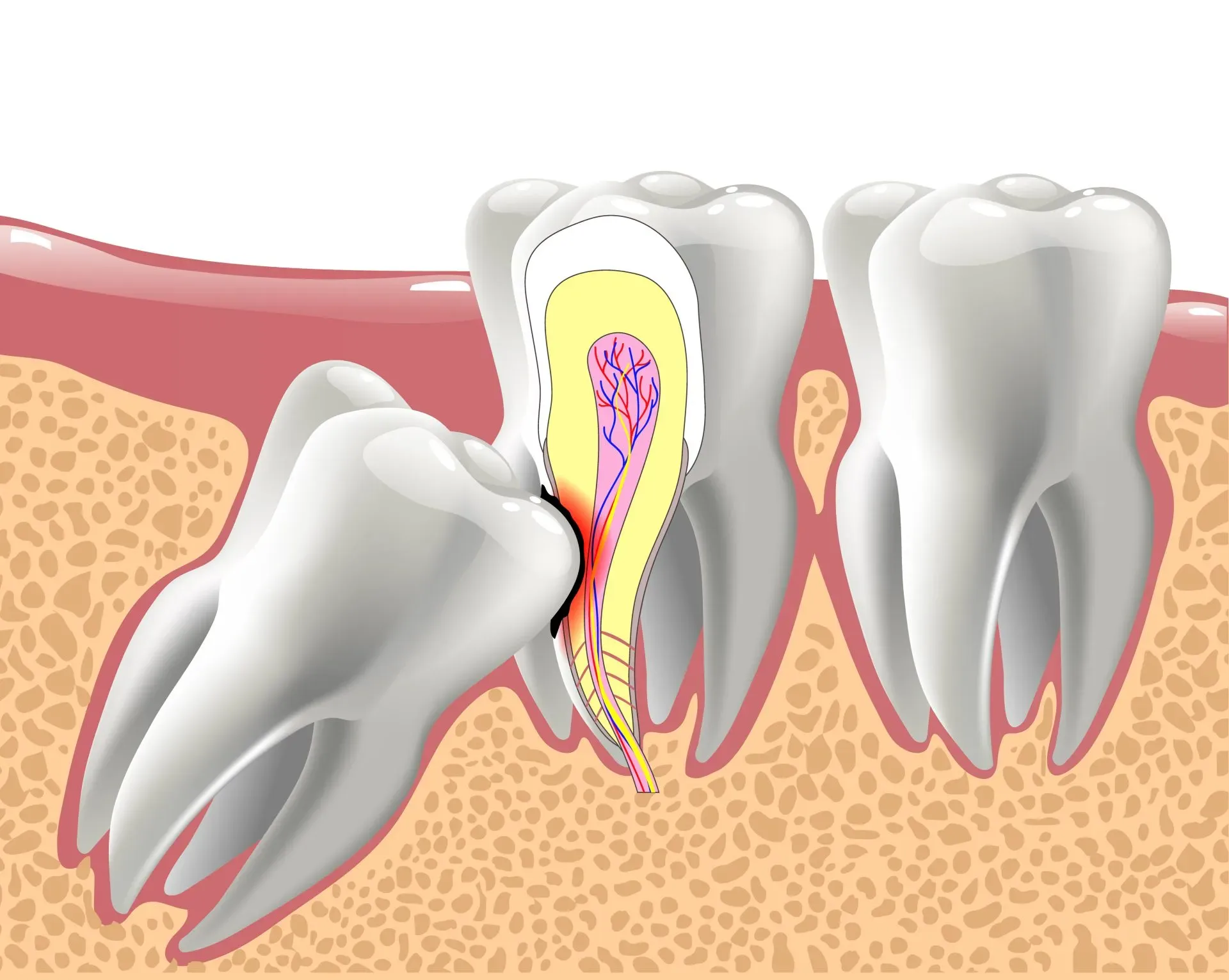
Illustration of impacted wisdom tooth, showing internal structure, pressing against neighboring tooth.
March 6, 2026
Do your wisdom teeth need to come out? Learn about wisdom teeth removal in Kanata, signs to watch for, and recovery tips

Woman in dental chair smiles while looking in a hand mirror.
March 3, 2026
Dental needs change as you age. Learn about common dental concerns for seniors in Kanata and how to maintain a healthy smile in your golden years.
Hands in blue gloves holding a dental tool near a model of a tooth with cavities.
February 27, 2026
Need a root canal in Kanata? Learn what to actually expect from the procedure, recovery, and why modern root canals are nothing to fear.
Dentist performing dental work on a patient. Hands with tools in patient's open mouth.
February 27, 2026
Is it time for your dental cleaning in Kanata? Learn why professional cleanings are essential and what to expect during your appointment.
Family and dentist in dental office, smiling and giving thumbs up.
February 23, 2026
Looking for a family dentist in Kanata, Ottawa? Learn why having a trusted local dental practice matters for your whole family's oral health
Person putting in clear Invisalign aligners, close-up of mouth and hand.
February 10, 2026
Looking for a straighter smile without braces? Discover why Kanata professionals choose Invisalign clear aligners for discreet, data-driven orthodontic treatment
Woman holding her cheek, eyes closed, possibly in pain; outdoors with blurred green background.
February 6, 2026
Sudden toothache or broken tooth? Find out what counts as a dental emergency and how to get urgent care at our clinic on Kakulu Road
CDCP Canada Dental Care Plan logo with
February 1, 2026
This article clarifies the "access to insurance" rule that affects many local tech workers and guides eligible seniors on how to transition to the new coverage CDCP.