Few dental procedures have a worse reputation than the root canal. It's become a cultural punchline — the thing people compare to their worst experiences. But here's the truth that might surprise you: a modern root canal is typically no more uncomfortable than getting a filling.
At
Kanata Family Dentistry, we perform root canal treatments regularly, and the vast majority of our patients say the same thing afterward: "That was so much better than I expected."
What a Root Canal Actually Is
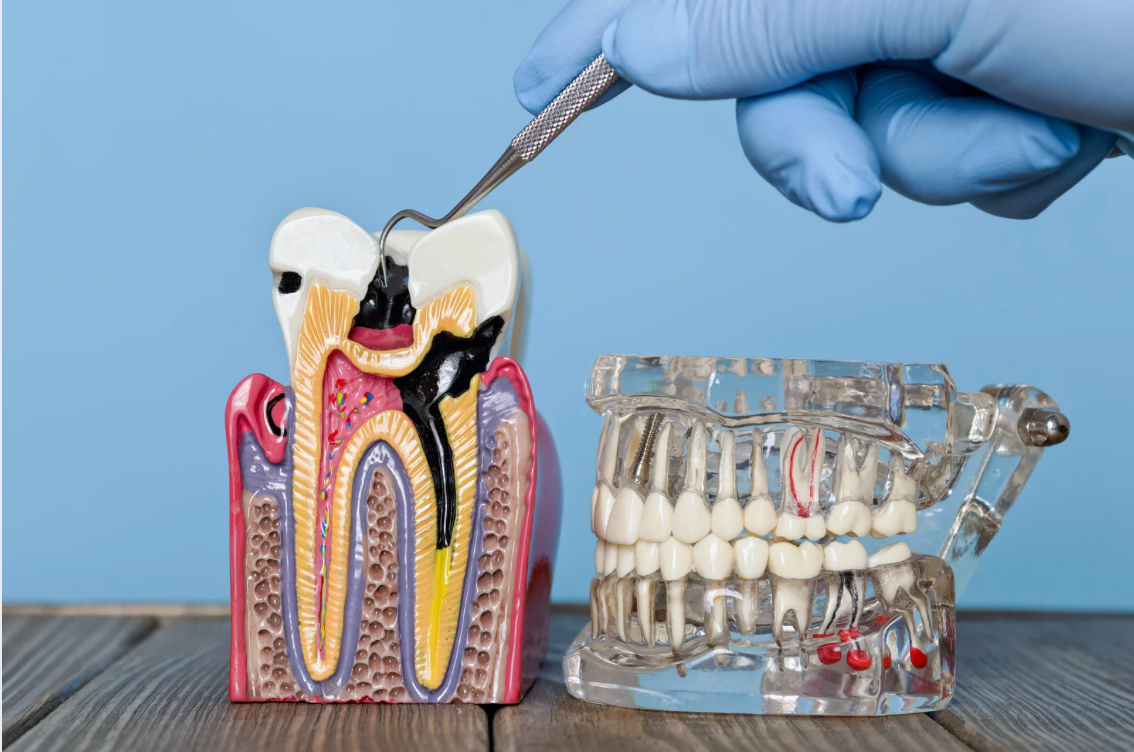
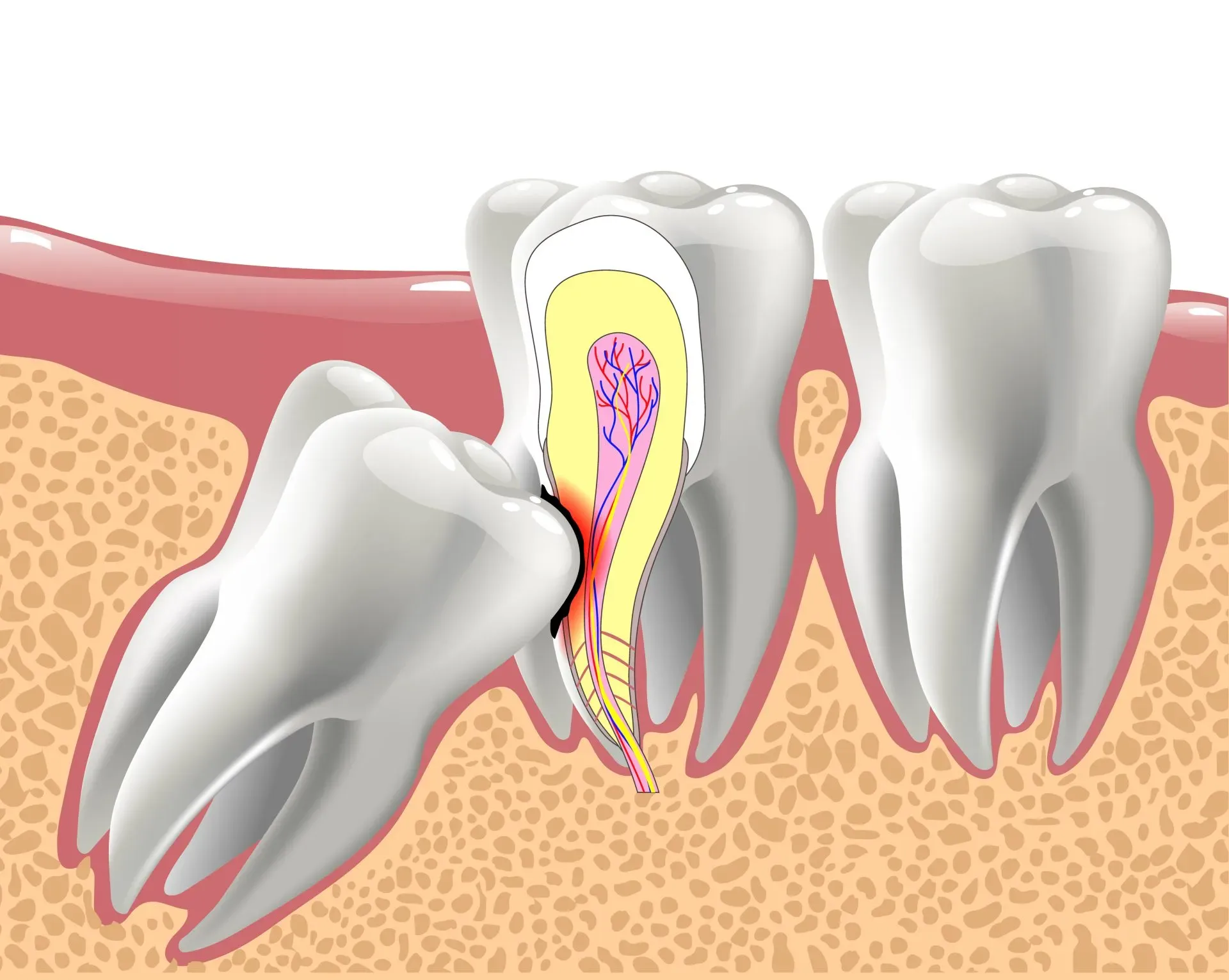
Inside every tooth, beneath the hard enamel and dentin, is a soft tissue called the pulp. It contains nerves, blood vessels, and connective tissue that were essential when the tooth was developing. Once a tooth is fully mature, it can survive without the pulp because it continues to receive nourishment from surrounding tissues.
A
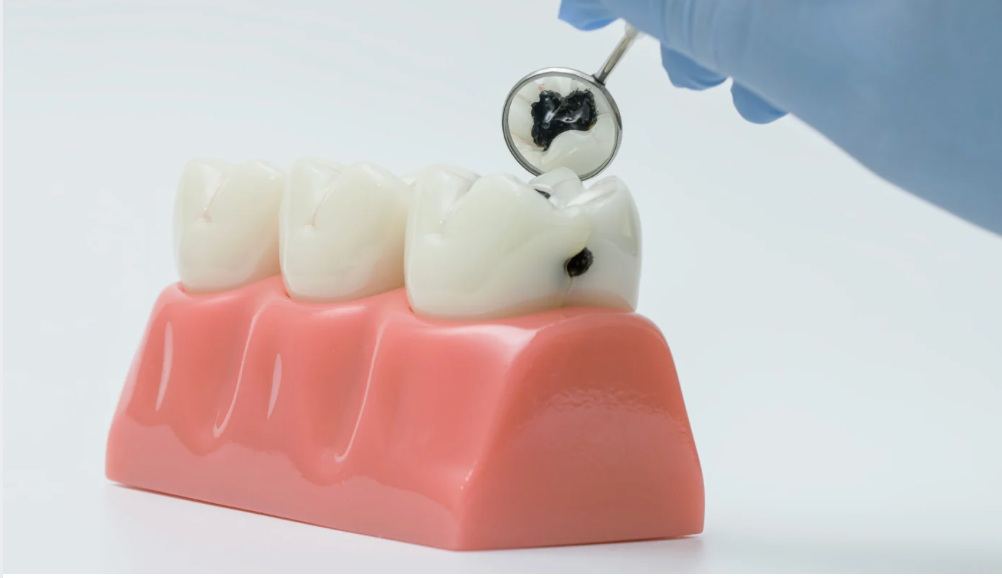
root canal becomes necessary when the pulp becomes infected or inflamed, usually due to deep decay, a crack in the tooth, or trauma. Symptoms might include severe toothache, prolonged sensitivity to hot or cold, darkening of the tooth, swelling, or tenderness in nearby gums.
The procedure involves removing the infected pulp, cleaning and shaping the interior canals of the tooth, and sealing them to prevent reinfection. A crown is usually placed afterward to protect the tooth and restore its function.
Why It Doesn't Hurt Like You Think
The pain associated with root canals doesn't come from the procedure — it comes from the infection that makes the procedure necessary. By the time you're in the chair, you're likely already in significant discomfort.
Modern anesthesia is highly effective. We ensure you're thoroughly numb before we begin, and most patients feel nothing but pressure during the procedure. If anything, the relief of having the infection treated often begins before you've even left the office.
What Recovery Looks Like
After a root canal, it's normal to experience some tenderness in the area for a few days, particularly when biting down. Over-the-counter pain medications like ibuprofen are usually sufficient to manage any discomfort.
Most patients return to their normal activities the next day. We'll schedule a follow-up appointment to place the permanent crown and ensure everything is healing well.
Saving Your Natural Tooth
The alternative to a root canal is extraction, and while there are situations where extraction is the right choice, saving your natural tooth is almost always preferable when possible. Your natural teeth are better equipped for chewing, maintain proper spacing, and preserve your jawbone.
A root canal followed by a well-fitted crown can give your tooth decades of additional function. Many patients are surprised to learn that root canal-treated teeth can last a lifetime with proper care.
Don't Wait on Tooth Pain
If you're experiencing persistent tooth pain, sensitivity, or swelling, don't wait for it to resolve on its own — it won't. Dental infections worsen over time, and the sooner they're treated, the simpler and more comfortable the treatment will be.
At
Kanata Family Dentistry, we provide gentle, efficient root canal treatment in a caring environment. Contact us today if you're experiencing symptoms, and let us help you get out of pain and back to normal.