Braces vs. Invisalign: Which Should You Choose?
Choosing between braces vs Invisalign depends on your specific dental needs, lifestyle, and aesthetic preferences. Braces use fixed metal or ceramic brackets to correct complex misalignments, while Invisalign utilizes removable, clear plastic aligners to straighten teeth discreetly. Both treatments are highly effective at improving long-term oral health and confidence.
What are the main differences between braces and Invisalign?
When comparing braces vs Invisalign, the primary distinction is the application method and visibility. Traditional braces involve metal brackets bonded to each tooth and connected by wires, making them a permanent fixture until treatment concludes. Conversely, Invisalign consists of a series of custom-made, clear plastic trays that are nearly invisible to the naked eye. This makes Invisalign a popular choice for adults and professionals who prefer a more subtle approach to orthodontic care. Beyond aesthetics, there are practical differences in daily maintenance and dietary restrictions. Braces require specific cleaning tools and the avoidance of sticky or hard foods that could damage the hardware. Invisalign aligners are removed for eating and cleaning, allowing for a broader diet and easier brushing and flossing routines. However, the removable nature of Invisalign requires a high level of patient compliance; aligners must be worn for 20 to 22 hours daily to achieve the desired results.
- Visibility: Invisalign is nearly invisible; braces are prominent.
- Removability: Aligners are removable; braces are fixed.
- Diet: No food restrictions with Invisalign; many with braces.
- Maintenance: Braces require specialized flossing; aligners require daily rinsing.
- Complexity: Braces are often more effective for severe jaw issues.
Is Invisalign as effective as traditional metal braces?
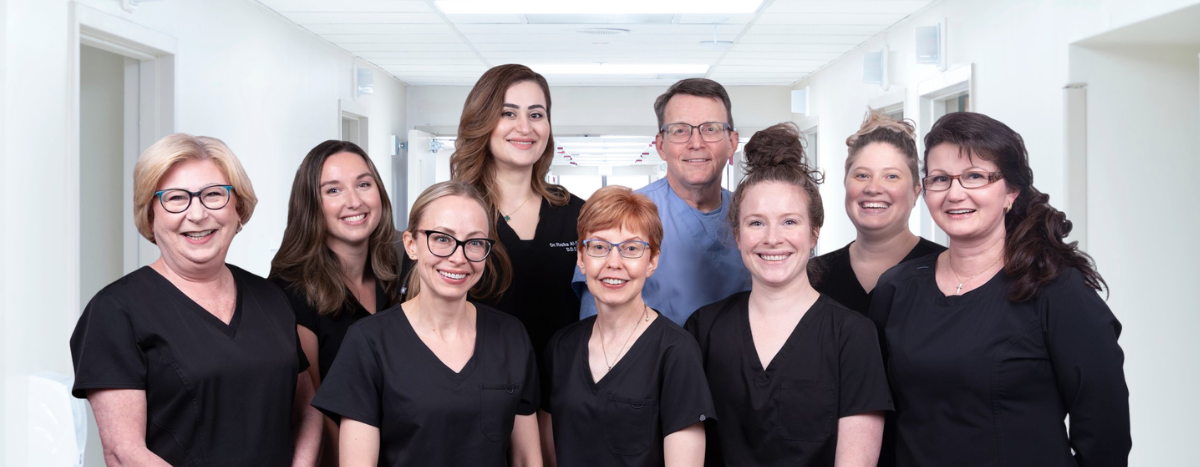
For most patients seeking to straighten teeth, both options offer excellent outcomes. Historically, metal braces were the only solution for severe crowding or complex bite issues like overbites and underbites. Today, advancements in clear aligner technology have made Invisalign a viable alternative for many of these cases. While braces remain the gold standard for intricate structural movements, Invisalign is incredibly effective for closing gaps and correcting mild to moderate crowding. At Kanata Family Dentistry, our practitioners, including Dr. Rasha Al-Taweel and Dr. David Schooley , evaluate your specific dental architecture to determine which method will deliver the most efficient and stable results. The choice often comes down to the patient’s willingness to follow the strict wearing schedule required by aligners versus the convenience of a fixed appliance like braces.
Key benefits of choosing clear aligners
The most significant advantage of Invisalign is undoubtedly the aesthetic appeal. Many patients feel more confident in social and professional settings knowing their orthodontic treatment is barely noticeable. Beyond the look, comfort is a major factor. Traditional braces can sometimes cause minor irritation to the cheeks and lips due to the metal components, whereas aligners are made of smooth, medical-grade plastic. Furthermore, because aligners are removed during meals, patients can continue to enjoy their favorite foods without the fear of a broken bracket or wire. This flexibility also simplifies oral hygiene, as there are no brackets to navigate around when brushing. To learn more about how these options fit into our broader care philosophy, you can explore our services .
Who is the best candidate for clear aligners?
Ideal candidates for Invisalign are typically adults and teenagers who have fully erupted permanent teeth and are disciplined enough to wear the trays consistently. Because the aligners must be removed and re-inserted multiple times a day, they require a level of responsibility that may not be suitable for younger children. Additionally, patients with mild to moderate spacing or crowding issues often see the best results with clear aligners. Those with severe skeletal jaw misalignments or very rotated teeth may find that traditional braces provide the necessary leverage and force to achieve a healthy bite. If you are unsure which category you fall into, our experienced dental team is here to guide you through the assessment process.
Final Verdict: Making the right choice for your smile
Ultimately, the decision between braces vs Invisalign should be made in consultation with a qualified dentist. While Invisalign offers unmatched convenience and a discreet appearance, traditional braces provide the reliable, constant force needed for more complex transformations. Both paths lead to the same goal: a healthier, more beautiful smile that supports long-term dental health . If you are ready to take the next step toward the smile you’ve always wanted, we encourage you to Contact Us for a comprehensive evaluation. Our team at Kanata Family Dentistry is committed to providing personalized care that respects your lifestyle and clinical needs.
Key Takeaways:
- Efficiency: Braces are best for complex structural jaw changes.
- Discretion: Invisalign is the top choice for an invisible look.
- Flexibility: Clear aligners allow for easier eating and hygiene.
- Commitment: Success with Invisalign requires 22 hours of daily wear.
- Consultation: Professional assessment is vital to determine the best fit.